
- Average CLV hides the gap: With a $130 average CLV and only 30% repeat buyers, the repeaters must average about $328, against $45 for one-time buyers.
- A second order adds $283: In the example that is a 630% increase in contribution margin per customer.
- Retention is not only email: Because the gap is so large, more cost-intensive measures can pay off, if the repurchase is incremental.
- 13 blockers: From relying on cheap channels to missing incrementality tests, weak activation, brand and product issues.
Retention is more than a cheap win-back channel. In Max Rast's example, a repeat customer is worth $328 in contribution margin against $45 for a one-time buyer, a gap of $283, which can justify spending on tactics beyond email, as long as the extra purchase is incremental, meaning it would not have happened without the tactic.
The figures below are an illustrative example, not a benchmark.
How should ecommerce brands think about retention?
Retention is more than a cheap win-back channel: customers who place a second order are worth far more than one-time buyers, so a retention tactic can justify a real budget if it is incremental.
If you are, like many others, struggling to increase the lifetime value of your customers, I want to broaden your horizon. Most eCom brands exclusively focus on cost-effective marketing channels like email marketing to win back their customers. But this is wrong. Or at least incomplete. And I’ll prove it to you with an example.
You have a CAC of $40 with a Contribution Margin 2 of $45 in the first order (aka First Order CLV). Over the next 2 years, your CLV increases to $130, giving you a CLV/CAC of 3.25. First order break even plus a solid CLV/CAC ratio. Nice.
But now let’s assume that only 30% of your customers come back and place a second order. Since 70% of your customers only have that $45 CLV from their first order, the remaining 30% must have an average CLV of $328 to get to an average of $130.
| Measure | Value |
|---|---|
| CAC | $40 |
| Contribution margin 2 in the first order (First Order CLV) | $45 |
| Average CLV after 2 years | $130 |
| CLV/CAC | 3.25 |
| Customers who place a second order | 30% |
| Average CLV of one-time buyers (70%) | $45 |
| Average CLV of repeat buyers (30%) | $328 |
| Gap per repeat buyer | $283 (630%) |
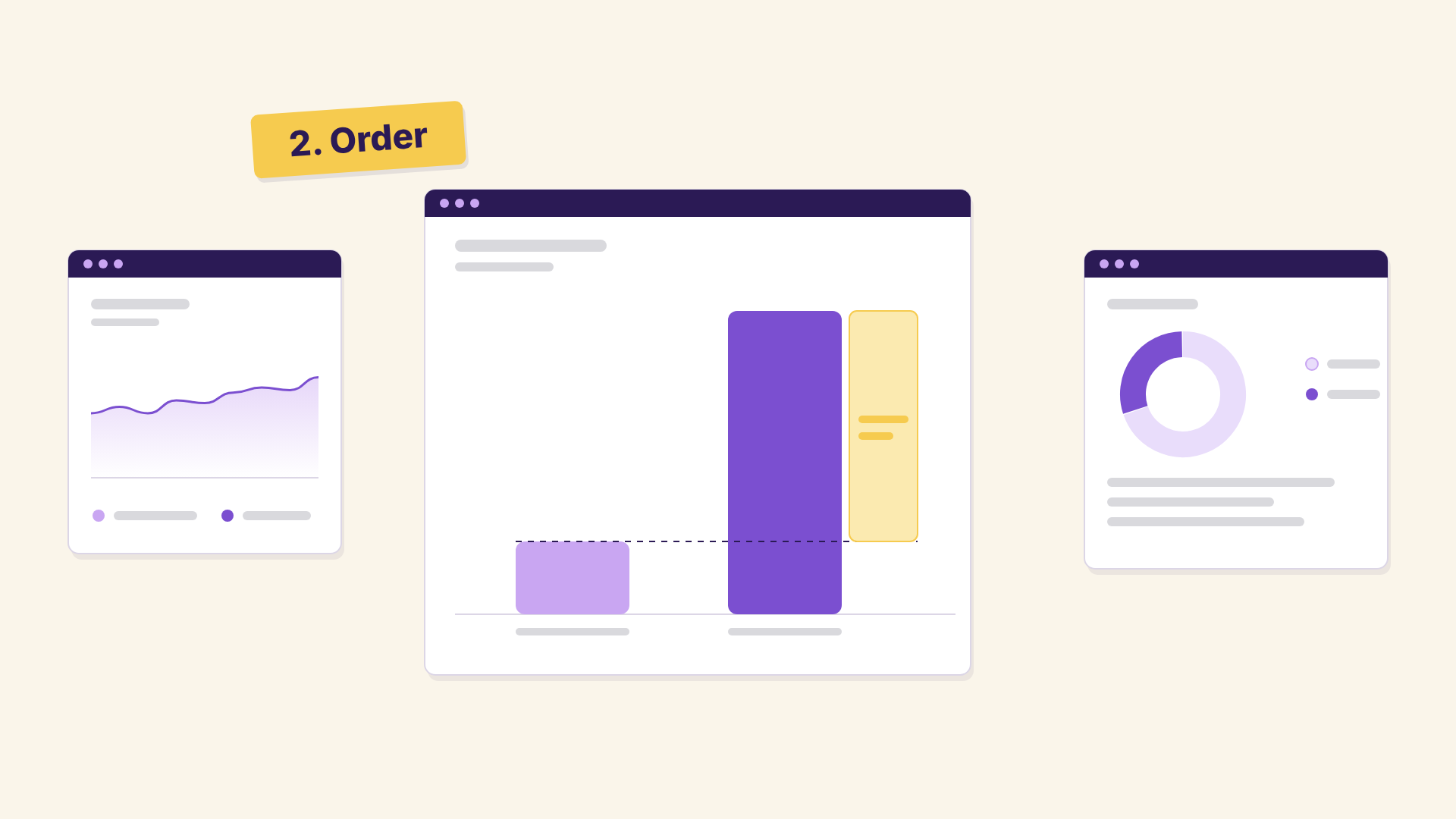
Now look at this massive gap: $45 vs $328. That’s a $283 (or 630%) increase in CLV you get by getting your customers to make a second purchase. The absolute difference in the contribution margin you generate is massive.
Once you are aware of that, it really starts to broaden your horizon as to what retention tactics you can implement. You do not exclusively have to rely on cheap channels like email but can also leverage more cost-intensive measures. Because even if you spend $30 to generate an incremental repurchase, the ROI is still going to be 10x.
But the important thing here: it’s incremental. What exactly that means and how you can easily measure it is covered in our post on incrementality testing for retention.
There’s also a video where I explain the economics of retention and its impact on your margins, liquidity, and long-term profit:
Why do ecommerce brands struggle with retention? 13 reasons
Brands struggle with retention mostly because they limit it to cheap channels, don't know why customers buy, and don't measure what their retention tactics add.
Why is it even the case that so many brands are struggling to pull that lever and push their retention and CLVs to a higher level? Here are 13 reasons why:
- You think you should only be using cheap distribution channels like email marketing to drive retention.
- You don’t really understand who your customer is and why they are buying your product.
- You don’t optimize your marketing messaging to only attract high quality customers.
- You focus on promoting products that can drive the lowest acquisition costs and don’t consider their lifetime value.
- You don’t measure the incremental impact of new retention approaches (even though it’s pretty easy).
- You don’t prioritize customer activation, which means ensuring that your customers use your product frequently and in the right way.
- You don’t proactively mitigate churn by introducing new use cases, reminding people why they started using you or exposing them to new products (for free).
- You don’t prioritize brand. In a world of undifferentiated products, brand is key to drive retention.
- You don’t improve your product. No customer will ever buy a product again that didn’t deliver the benefits they were hoping for.
- You set the wrong expectation when people are buying your product.
- Your Head of Retention purely has an Email Marketing background and that defines how they approach this topic. Retention is so much more.
- You don’t make your customer surveys actionable by tagging people based on their answers.
- You don’t shift marketing budget to channels that generate high CLV customers.
So if your CLV is stuck at the same level for quite a while, these are probably some topics you should look closely at to change that.
What can ecommerce brands learn from MissPompadour's customer focus?
MissPompadour is giving a masterclass on how to sell a generic product online. At Klar, we’ve started working with them, and their numbers impressed me. After digging deeper, I found their success boils down to something every brand claims to do, but almost no one actually does: customer focus.
- Guiding the customer: They don’t just sell paint, they sell transformations. MissPompadour’s site helps customers envision their next DIY project, whether it’s floors, cabinets, or furniture, guiding them through the process and making the paint choice secondary.
- Offering consultations: They offer 1:1 consultations via phone, email, or WhatsApp. Customers get personalized advice on colors, techniques, and product details, making even technical decisions easier and more confident.
- Building relationships: Their loyalty program and app go beyond just sales. Customers earn points for sharing before/after photos, get exclusive consultations, and more, all designed to build long-term relationships.
The result? A fast-growing 8-figure brand with loyal customers, all built around customer focus.
FAQ
Is email marketing enough to improve customer retention?
No, according to Max Rast it is incomplete. Many brands focus only on cost-effective channels like email, but the contribution margin gap between one-time and repeat customers is large enough to justify more cost-intensive measures. The condition is that the tactic creates an incremental repurchase.
How much more is a repeat customer worth than a one-time buyer?
In the example, a repeat customer is worth $328 in contribution margin against $45 for a one-time buyer. That is a gap of $283, or 630%. The example assumes a $40 CAC, a $130 average CLV after two years and a 30% repeat rate, and it is illustrative, not a benchmark.
How do you work out the CLV of repeat customers?
Subtract the one-time buyers' share from the average and divide by the repeat share. With a $130 average CLV, 70% of customers at $45 and 30% reordering, repeat buyers average about $328, which is (130 minus 0.7 times 45) divided by 0.3.
What does incremental mean for a retention tactic?
A retention tactic is incremental if the repurchase would not have happened without it. In the example, even a $30 spend to generate an incremental repurchase can still pay off. How to measure it is covered in the post on incrementality testing for retention.
What is First Order CLV?
In this post, First Order CLV is the contribution margin 2 a customer generates in the first order. In the example it is $45 against a $40 CAC, so the first order breaks even.
Why do ecommerce brands struggle with retention?
Max Rast lists 13 reasons. They include relying only on cheap channels like email, not understanding who the customer is, not measuring the incremental impact of retention approaches and not shifting budget to channels that bring high-CLV customers. Brand, product and expectation setting also play a role.
How does MissPompadour build customer focus?
It guides customers through whole DIY projects, offers 1:1 consultations by phone, email or WhatsApp, and runs a loyalty program and app that rewards before and after photos. It is described as a fast-growing 8-figure brand.
Related reading
- Incrementality Testing for Retention: How to Measure What Really Lifts Repeat Purchases
- Finding the ideal CLV/CAC ratio for your ecommerce business
About the author
Max Rast is Co-Founder and CEO of Klar. He has built one 8-figure and one 9-figure eCom brand and works with 2,000+ eCom brands at Klar. LinkedIn